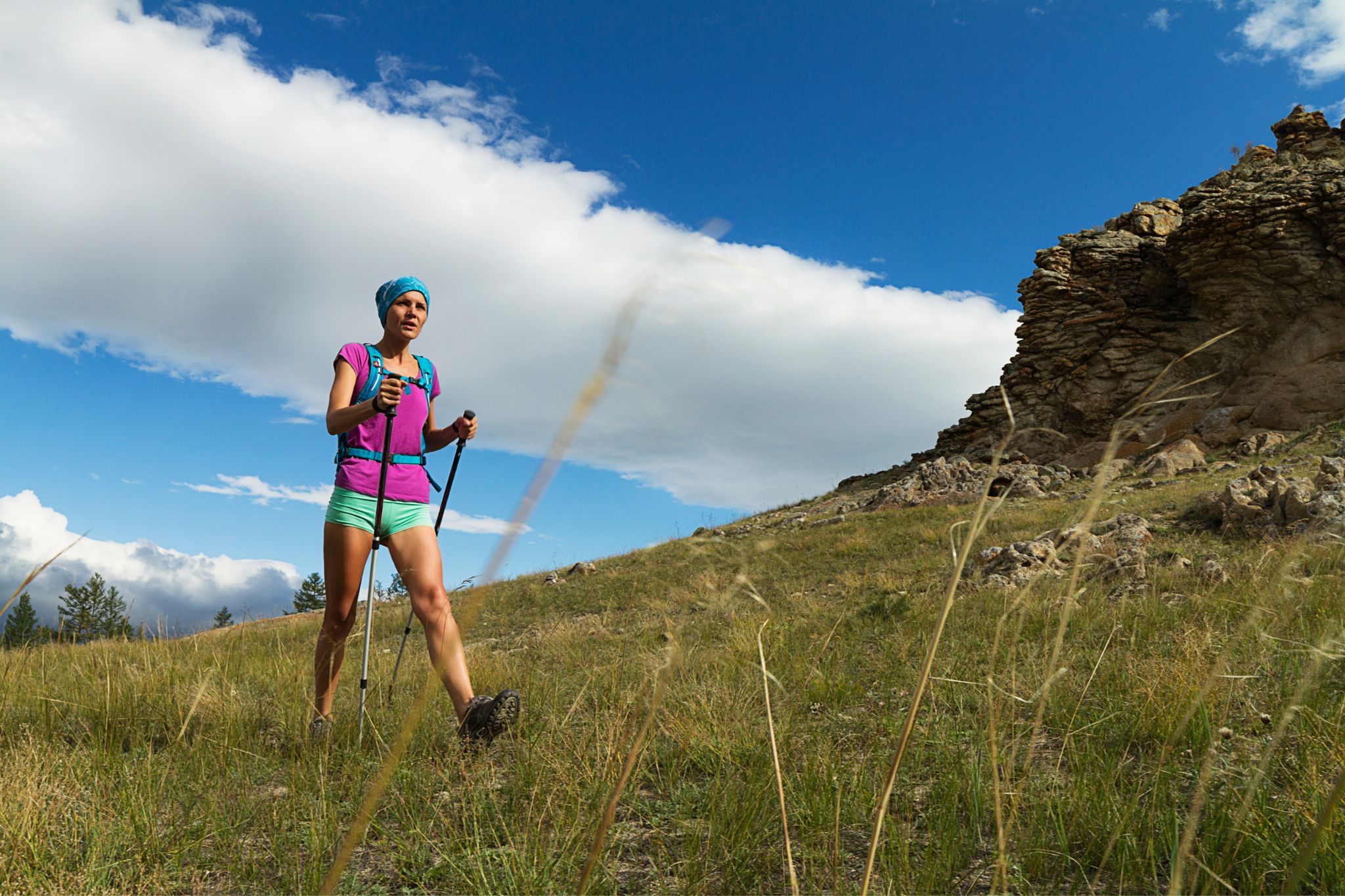
Here is another guest post from Dan Coconate, who has contributed previously to this blog. This one’s about a crucial topic: how to remain safe around wildlife (in case you’re wondering, trying to pet wild animals is not safe).
Intro
Being out in nature is a rewarding experience: breathing in fresh air and seeing wildlife right before your eyes is not something you can often experience while inside your home.
One of the best ways you can connect with nature and experience the outdoors is by taking a hike. This can be a rejuvenating activity, but it’s important to recognize that there are risks associated with hiking. While your odds of having a dangerous wildlife encounter are slim, it’s still good to be prepared, to protect both you and the animals from harm.
Here are some tips that will help you stay safe while hiking near wildlife.
Research the Hiking Location Before the Trip
A great way to prepare for a hike is to research the location before your adventure. This will help you choose the right trail, get a better sense of what to bring with you (e.g. what type of shoes to wear), and minimize your chances of getting lost. Doing some research will also let you know what types of wildlife you may encounter.
For example, it’s important to know if bears frequent the area. In that case, you’ll want to pack some bear spray and stay extra alert to your surroundings.
Don’t be Afraid to Make Noise
It’s important to note that most wild animals are terrified of humans. Thus, a surprise encounter with a human on a trail can make animals feel like they have to defend themselves, which in extreme cases might result in an attack.
The best way to reduce your chances of surprising a potentially dangerous animal is to make noise. Step on leaves and branches while walking, don’t worry about breathing loudly when you’re out of breath, and chat with your hiking buddies. When I (Josh) would go hiking in grizzly bear country, some of my companions would even call out, “Hey bear!” whenever they approached a blind corner.
Each noise you make will warn wildlife of your presence and keep you from startling them, which will help to keep you safe.
Keep Your Ears Open and Alert
Speaking of sounds, it’s fun to listen to music or podcasts during exercise. However, when you’re aware that your hiking area has potentially threatening wildlife, earbuds are a luxury you’ll want to keep at home.
Wearing earbuds makes you less aware of your surroundings, which increases your chances of all sorts of accidents. It can also lead you to create less noise when walking, making a surprise wildlife encounter more likely.
Tuck Away All Snacks and Trash in a Backpack
The last thing you want is to pollute the earth and let an animal eat one of your snacks or choke on a food wrapper. When you bring snacks along for your adventure – which you always should – keep the food and any trash tucked away in a backpack.
Food that’s out in the open is more likely to attract wildlife. They might smell the aroma and want to investigate. Keep yourself and the animals on the trail safe by storing the food securely in the backpack. Once you’re done with the snack, toss any trash into the bag until you can safely dispose of it.
Note: If you’re going to be camping in bear country, make sure you don’t store any food in your tent! Keep all of your food in a safe place well away from your tent, so that you don’t have any unwelcome visitors while you sleep.
Don’t Turn and Run Away From the Wildlife
Turning and running away signals to animals that you’re prey; they’re much more likely to chase after you.
An important thing you should know about hiking around wildlife is to never run away. The best way to diffuse a wildlife encounter is to move slowly. Remain facing the animal while backing away at a slow pace. Now, you’re communicating that you’re not a threat, nor do you feel threatened by the animal.
Bonus Hiking Tip!
The physical exertion and constant alertness may become exhausting on your trail. An extra tip to remember is to wear excellent fleece outerwear to retain a comfortable body temperature!
Closing Thoughts
To summarize, the best ways to stay safe when hiking around wildlife are to:
- Research your location before you go
- Bring any recommended safety items (e.g. bear spray)
- Make noise while hiking
- Remain alert
- Don’t leave food out in the open
- If you encounter a potentially dangerous animal, maintain eye contact and back away slowly
I hope you enjoyed this guest post! If anyone has a topic related to conservation or human-nature relationships that they’d like to see explored, please let me know in the comments!


I appreciate this advice because I hope to never come face to face with wildlife, particularly bears. Thankfully in Jamaica, most of our wildlife are harmless. It’s just crocs you have to watch out for and that’s only in our mangrove and swampy areas.
LikeLiked by 1 person
I’m glad you appreciated the advice! It sounds like your odds of encountering a croc on trail are low?
LikeLike
Yes, it’s zero chance in the mountains. They are only by the coast
LikeLiked by 1 person