Intro
I’m happy to announce that after a long wait, I’ve finally completed another Q&A post! This one is with someone who uses their tech skills and marketing background to advocate for wildlife: Assaf Levy.
Assaf is the creator of BioDB, which is an online, wiki-style database designed to share knowledge about wildlife and generate support for their conservation.
As BioDB says in their mission statement, Assaf and his team want us to understand that we’re part of nature – not separate from it – and that we can all do something to create a better world.
I sent Assaf a list of questions about himself and BioDB, and here are his answers:
Q&A
It’s obvious that you care a great deal about nature now, as an adult. What was your relationship with nature like as a child?

As a child, my mom, Miriam, worked in the Israel Society for the Protection of Nature. Dad was a mechanic, but he loved nature and hiking even more. So, I guess it is my destiny!
I was always drawn to the great outdoors like a magnet, finding solace and endless fascination in its embrace. Whether it was exploring the vibrant colors of a blooming flower or marveling at the intricate web spun by a spider, nature had a way of captivating my young mind. I would spend hours in awe of the buzzing insects, melodious birdsong, and leaves rustling in the wind. During these formative years, I developed a deep-rooted passion for the natural world and its inhabitants. Life was very different back then, and I’m not even *that* old!
Those experiences in nature shaped my childhood and laid the foundation for my profound appreciation and commitment to environmental preservation as an adult.
As an adult, I find we all live in a hectic world, which is getting more and more crazy… I still believe nurturing our bond with nature is vital for maintaining a healthy mind and body, providing us a much-needed respite from our fast-paced world.
However, in my country (Israel) and elsewhere, the nature we used to know (or thought we knew) is diminishing rapidly.
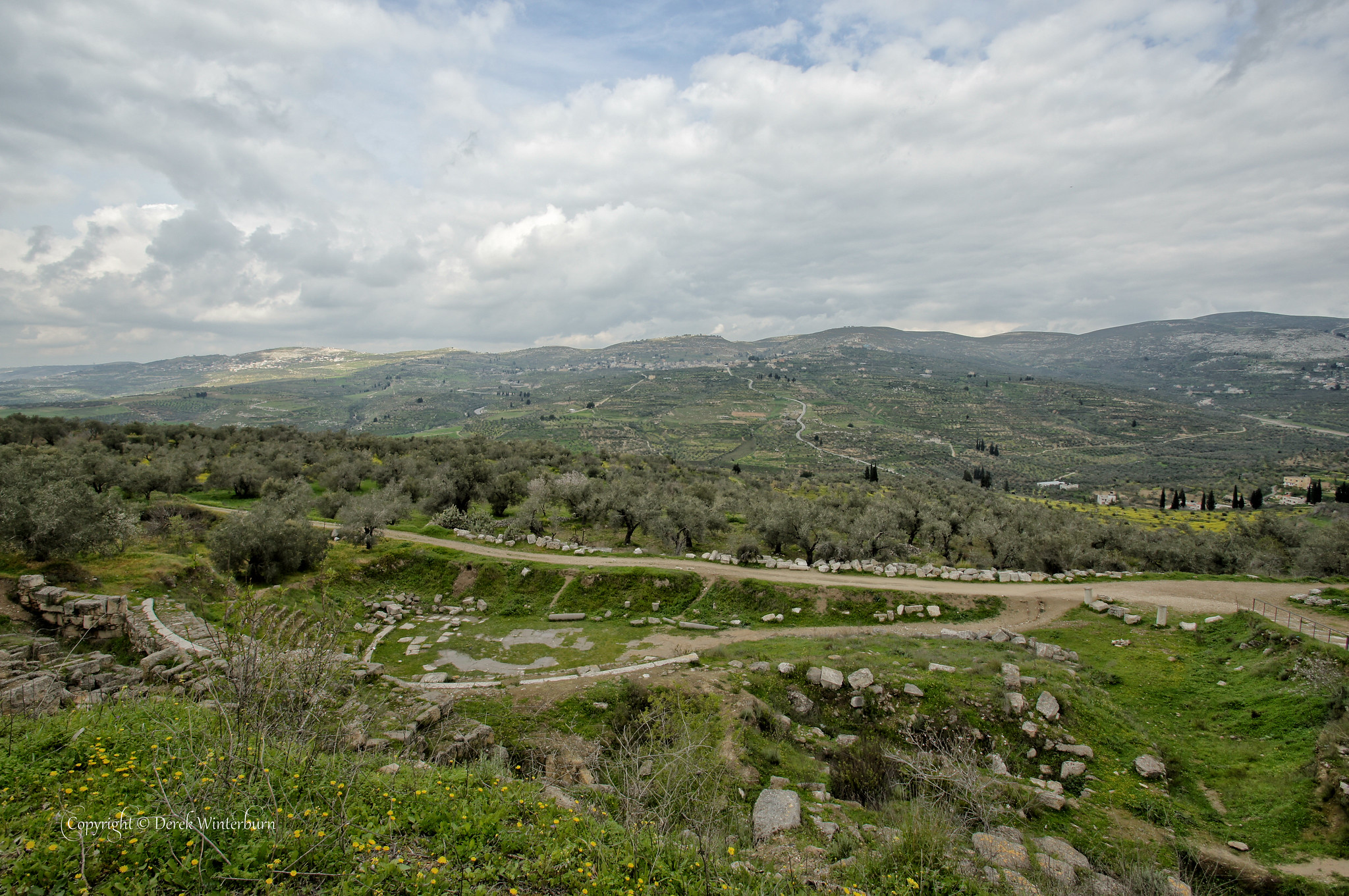
On BioDB’s About page, you write that you were deeply affected by the passing of Sudan: the last male Northern White Rhino. What was it about this tragedy that moved you to action?
I guess the worst part is that I accidentally found out about that! It was just there on my feed, randomly. I think it’s a huge part of the problem: wildlife conservation and biodiversity loss are interesting to mainstream media only when something like that happens. It is just not perceived as a critical, writing-worthy topic otherwise.
The passing of Sudan, the last male Northern White Rhino, was a heart-wrenching tragedy that struck a chord deep within me. Witnessing the extinction of an entire subspecies right before our eyes was a poignant reminder of the urgent need for conservation efforts. It served as a wake-up call, highlighting the devastating consequences of human actions on biodiversity.
Sudan’s story symbolizes the fragility and vulnerability of our natural world. It propelled me into action, igniting a burning desire to contribute meaningfully to wildlife conservation. The realization that future generations might only know about magnificent creatures like Sudan through history books was a call to arms.
Being an Internet dude (entrepreneur and investor), I found an unwavering commitment to making a difference and being a voice for those who cannot speak for themselves. Sudan’s passing was a catalyst, awakening my sense of responsibility – see how much power one image can have! By the way, I’ve contacted the photographer, Ami Vitale, to thank her.
BioDB contains a wealth of information about wildlife. How did you acquire the knowledge that you have about animals?
BioDB contains a wealth of information about wildlife because I have been fortunate to collaborate with a dedicated team of passionate zoologists.
We have compiled vast knowledge of animals, their behaviour, habitats; and, mainly, conservation status & population size. Still, much data is non-existent: wildlife surveys are complex and expensive, and only a few governments and organizations can perform them. It’s a massive part of the problem.

(Note: a previous Q&A participant is working on technology that would make wildlife surveys easier and cheaper to complete).
Yet, our team’s collective expertise, acquired through years of academic study, field research, and practical experience, has enabled us to curate a comprehensive database. We strive to provide accurate and up-to-date information on the captivating world of animals, ensuring that BioDB remains a valuable resource for nature enthusiasts and conservationists alike.
Aside from generating knowledge (AKA collecting data), what are some of the ways that BioDB helps wildlife?
Leveraging my extensive background in digital marketing spanning over 20 years, BioDB utilizes social media platforms to raise awareness about wildlife and environmental issues. By engaging with a broad audience, we strive to inspire a sense of responsibility and foster a collective commitment to conservation.
Additionally, BioDB has introduced a unique initiative that allows individuals to “patron” a species. Through this program, people can contribute donations, which are directed to reputable wildlife NGOs working on the ground to protect and conserve endangered species and their habitats. This innovative approach empowers individuals to make a tangible difference by directly supporting crucial conservation efforts.
By combining knowledge dissemination, digital outreach, and facilitating financial contributions, BioDB aims to make a meaningful impact on wildlife conservation, ensuring a brighter and more sustainable future for the incredible creatures that inhabit our planet.
Finally, what advice do you have for anyone who isn’t a biologist, but who wants to make a difference for wildlife?
For anyone who isn’t a biologist but desires to make a difference for wildlife, I offer the following advice:
- Educate Yourself by exploring reputable sources and engaging with conservation organizations to deepen your understanding.
- Support Conservation Organizations: wherever you may live, there’s much to do!
- Engage in sustainable practices: Adopt eco-friendly habits in your daily life. Reduce, reuse, and recycle.
- Get Involved Locally: Participate in local community initiatives focused on nature conservation. I think the most significant improvements in history happened after a group of determined citizens realized they had more power than they thought and worked towards their goal.
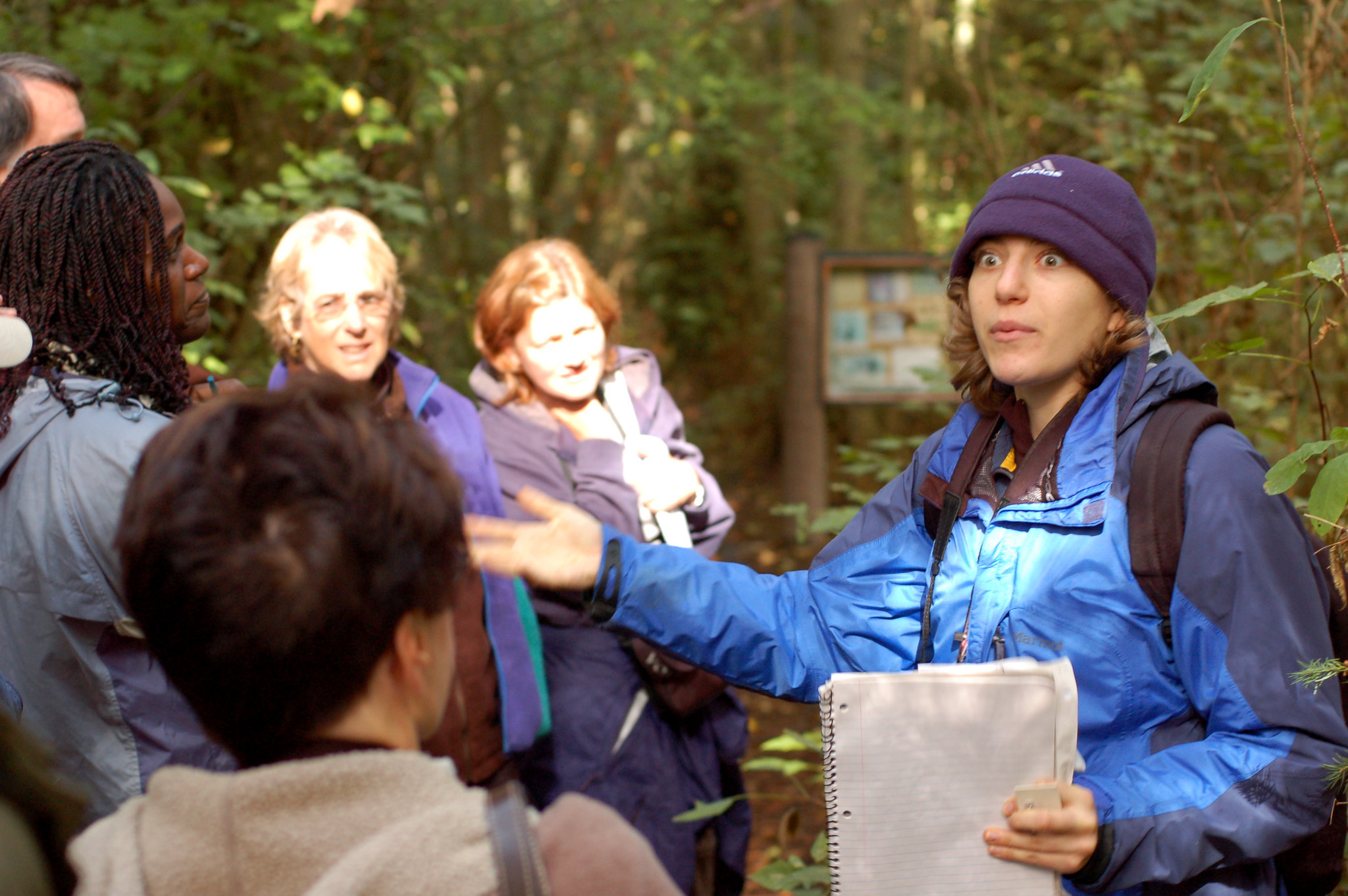
Making a difference for wildlife doesn’t require a formal biology background. We can create a brighter future for wildlife and foster a harmonious coexistence between humans and the natural world.
Closing Thoughts
Assaf
I would like to thank you, Josh, for inviting me to this interview. It has been a pleasure representing him and sharing insights about BioDB.
This Q&A session is a wonderful platform to shed light on our passion for nature and the importance of wildlife conservation.
Both the climate crisis and biodiversity loss must find their way to mainstream media, and it’s up to us, Internet/media professionals, to push them there. I wish us all good luck.
Josh
I’d like to thank Assaf for participating in this Q&A with me, and for using his expertise to create a valuable platform like BioDB.
This kind of “everyday advocacy” – people using whatever skills and resources they already have to advance causes that they care about – is incredibly valuable. The work that professional scientists do makes a huge difference, but when people like Assaf get involved, it helps to turn conservation from an elite pursuit into something that we can all contribute to.
Please take a minute to check out BioDB! It’s a very well-made platform, and a great way to generate support for conservation.

 The Jaguar