After a long wait, we have another guest post from Dan Coconate. This one continues our theme of how to behave ethically around wildlife, but it focuses on a specific location: the Grand Canyon. The following post contains tips for responsible wildlife viewing, safety precautions, and species-specific information.
Intro
Did you know that Grand Canyon National Park is home to over 1,500 plant species, 355 bird species, 89 mammal species, and 47 reptile species? That’s right—this park’s diverse habitats are teeming with unique and fascinating wildlife just waiting for nature enthusiasts like you to discover.
To guarantee an unforgettable and responsible experience, consider these essential tips for viewing and respecting Grand Canyon wildlife so you can venture into this natural wonderland fully prepared.
Become a Wildlife-Watching Pro: Master the Etiquette
Despite the allure of getting up close and personal with magnificent creatures, you must prioritize their well-being above all else. Following wildlife-viewing etiquette ensures both your safety and the protection of these incredible beings.
First and foremost, always maintain a safe distance from animals, even if you’re tempted to snap that perfect photograph. The National Park Service (NPS) recommends staying at least 100 yards away from large mammals like elk and at least 50 yards away from smaller species like squirrels and birds.
Additionally, avoid feeding the animals, as this can lead to them becoming accustomed to human food. This disrupts their natural diet and attracts them to roads and parking lots, increasing the risk of accidents.
Be patient and quiet when observing wildlife. Excessive noise and sudden movements can disturb them and trigger a fight or flight response, which is dangerous for you and the animals who might navigate into hazardous areas (e.g. roads, or the properties of neighbors who are hostile to wildlife).
Follow Wildlife Safety Tips: Keep Yourself and the Animals Secure
Aside from following the proper etiquette, you must follow safety precautions to guarantee the well-being of yourself and the wildlife.
Stick to designated trails and avoid wandering off into unmarked areas. This is a definite do in the dos and don’ts of visiting the Grand Canyon because it minimizes your impact on the ecosystem and reduces the likelihood of encountering potentially dangerous wildlife.
Catch a Glimpse Into the Lives of Grand Canyon Critters: Species-Specific Information
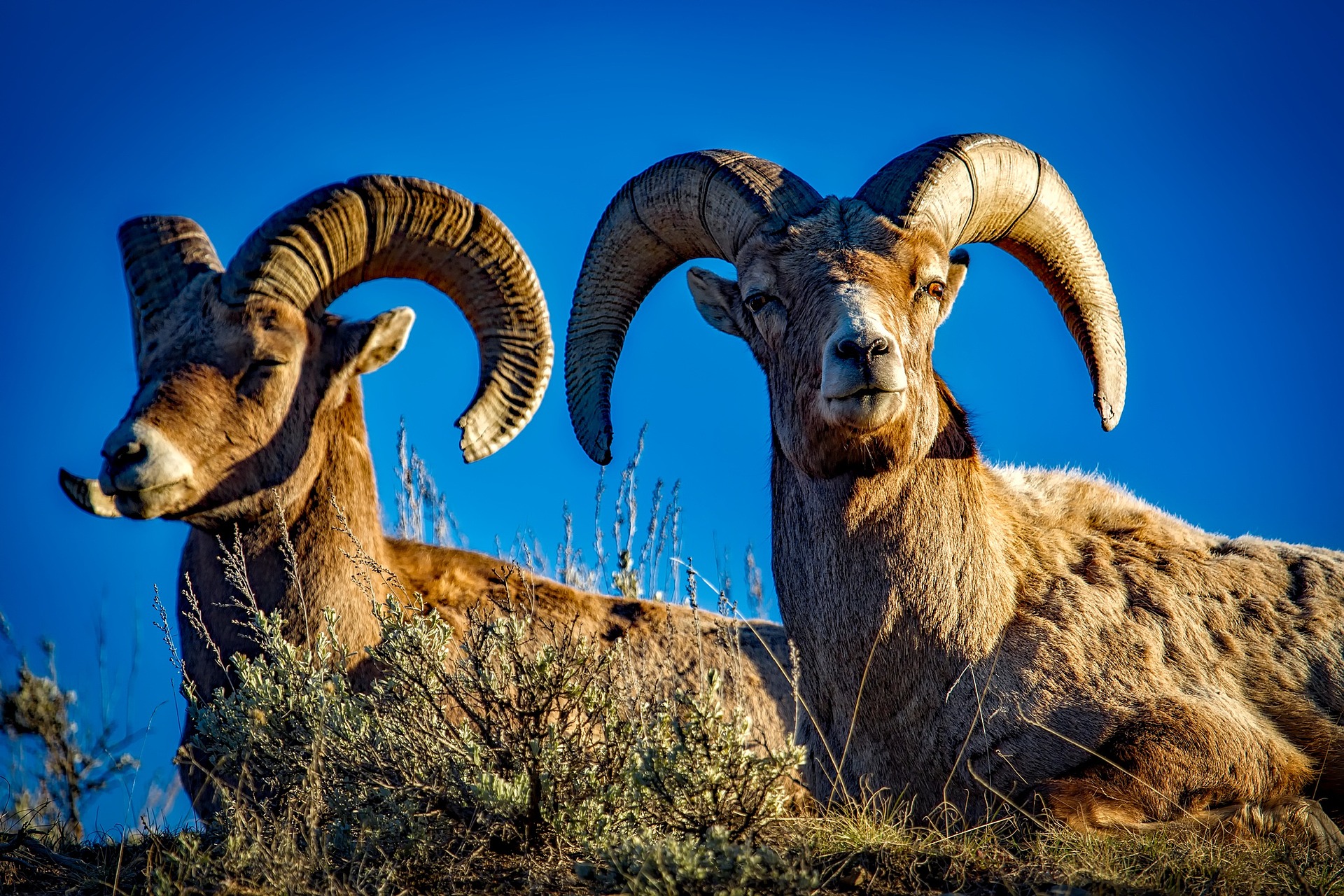
Understanding the residents of the Grand Canyon is essential to fully appreciate and responsibly engage with its wildlife. For instance, bighorn sheep (Ovis canadensis) – known for their agility and curved horns – inhabit rocky terrain and are often spotted along the Bright Angel Trail.
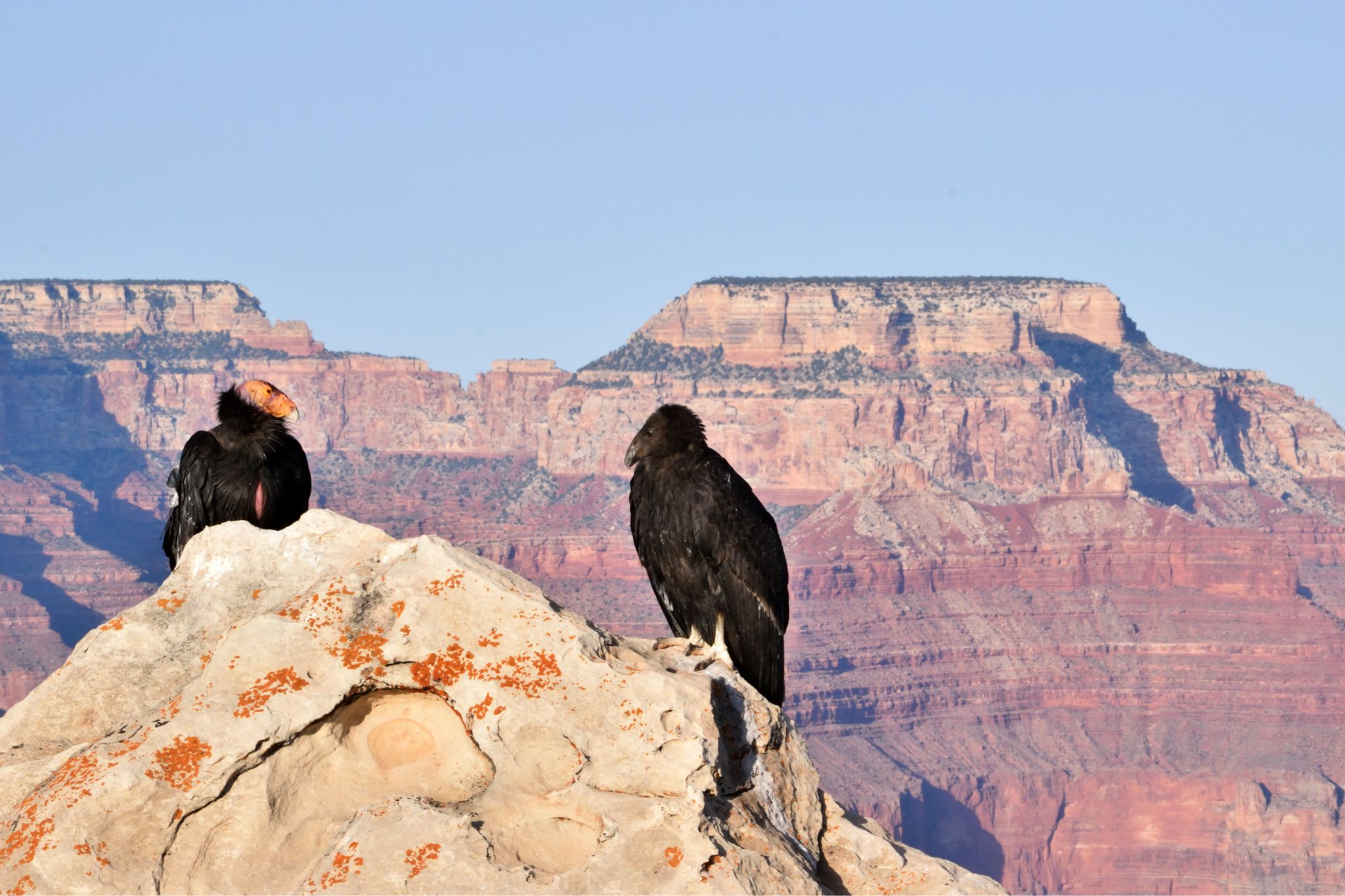
California condors (Gymnogyps californianus), North America’s largest flying bird, are a rare yet thrilling sight with their impressive 9.5-foot wingspan. If you visit Grand Canyon National Park, you might be lucky enough to see one.
The park’s squirrel species serve as examples of the unique adaptations that the Grand Canyon’s geography has shaped. You might see the Kaibab squirrel, distinguished by its tufted ears and white tail, exclusive to the North Rim. Meanwhile, the Albert’s squirrel calls the South Rim home, sporting a gray body and a white-edged tail.
Closing Thoughts
With these tips for viewing and respecting Grand Canyon wildlife in mind, you’re now ready to undertake a memorable and conscientious expedition into the heart of this breathtaking landscape. Happy exploring!
About the Author
Dan Coconate is a local Chicagoland freelance writer who has been in the industry since graduating from college in 2019. He currently lives in the Chicagoland area where he is pursuing his multiple interests in journalism.


Good points Josh. Did you see the dead birds woven into massive spider webs? I took lots of photos of them here last year. Did the moths descend like a plague at night?
LikeLiked by 1 person
Hi Cindy! I’ve actually never been to the Grand Canyon: this post was written by a guest author, not me. However, I’d love to witness the plagues of moths that you talk about! I’m not sure how I’d feel about the giant spider webs though…
LikeLike