I’ve been running this blog for six years now. Many of my posts have involved weeks of research in my spare time, and have effectively ruined my life. I’ve written in-depth essays on vital conservation issues, educational pieces about wildlife, and interviews with scientists who are literally saving the world. But what is it that you all really want to see? Pictures of big cats in the snow.
Thus, on this day when much of the world is forced to pretend to be happy, I bring you “Big cats in the snow on Christmas: Part 4.”
Last year I attempted an educational piece centered around one of the planet’s snowiest felines: the lynx. Mind you, lynx don’t make snow, but they’re well-adapted to life in cold, inhospitable places where only psychos want to live – like Canada (coincidentally, I love Canada).
That was by far my least successful Christmas post. I’m therefore returning to the tried-and-true format of simply posting the pictures and their captions, accompanied by zero content of any substance.
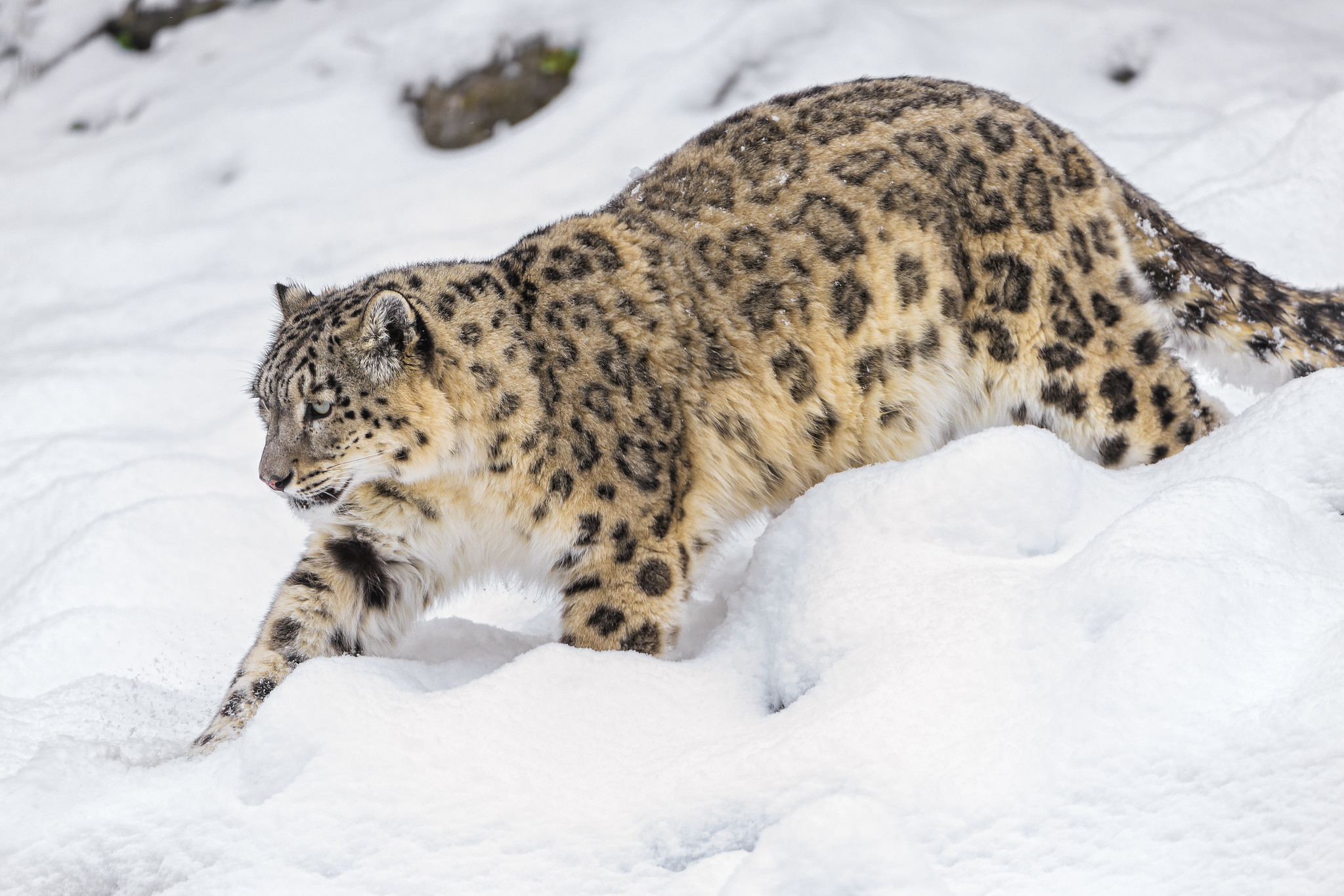
We start with, of course, the snow leopard (Panthera uncia). Officially listed as Vulnerable by the IUCN Red List (although there was a lot of drama about that a few years ago), snow leopard populations are dropping. They inhabit some of the highest, coldest mountains on Earth, so they’re perfectly at home in the snow.
That’s why they’re called “snow” leopards and not “sand” or “cozy, tropical beach where all the smart people are” leopards.
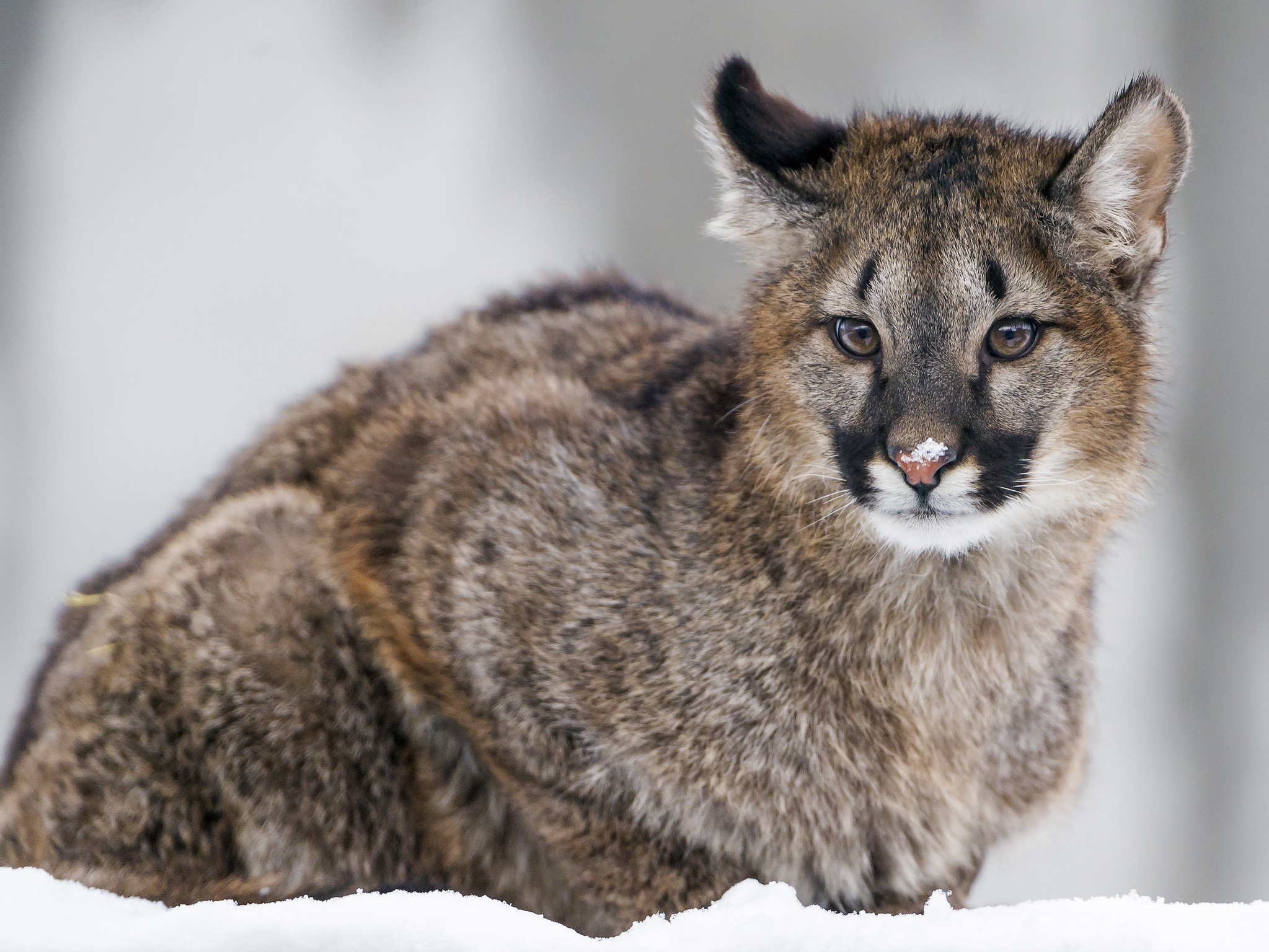
Next we have another photo from the legendary Tambako the Jaguar, who’s sort of the Santa Claus of big cat pictures. This one is of a little baby puma (Puma concolor), also known as the mountain lion, cougar, and Florida panther.
Pumas also inhabit snowy regions, but this one looks like she wants it to warm up. Smart, sensible kitty.
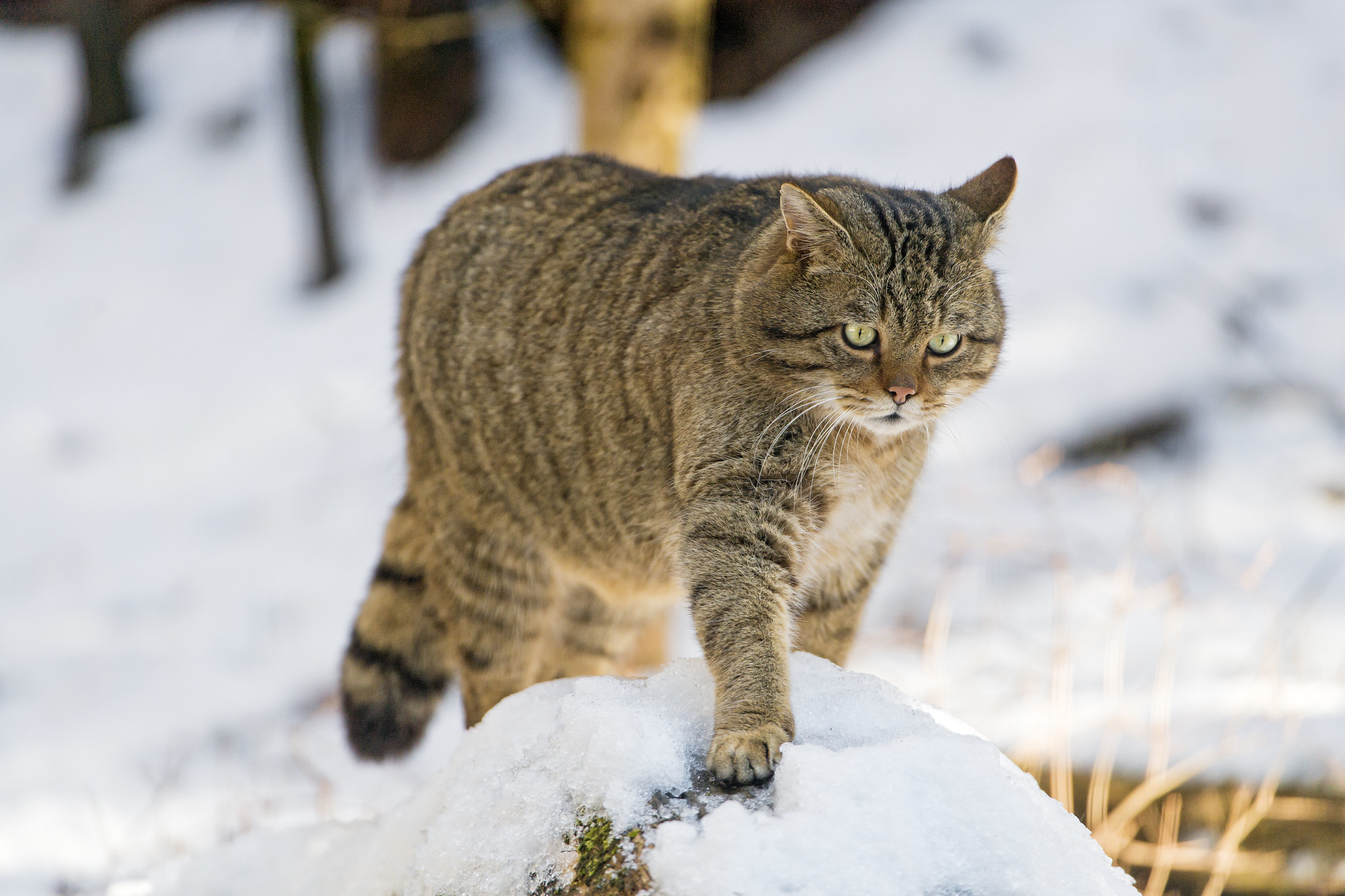
Finally, Tambako the Jaguar finishes strong with yet another stunning photo of a cat in the snow. This cat, however, is not a big cat in any sense of the word: it’s a wildcat.
You heard that right, there’s a species of wild cat that’s simply called a wildcat, and it looks exactly like a cat that’s wild. I’m guessing this is a European wildcat (Felis silvestris), because it looks like one.
European wildcats live in Scotland, where it does snow. As such, they’re supposed to like it. This wildcat looks like he wants nothing to do with the snow, however, and is wondering what kind of horrible things he did in his past life to wind up where he is.
Well folks, that’s all I have. May you all have wonderful days and season’s greetings and all that stuff.

 The Jaguar
Josh, thank you for all of your posts, I appreciate all of the content you’ve shared. If I may share my thoughts, of course just my opinion. I, too, have a blog that I’ve shared extensive information along with images since 2012. I have over 300 followers and yet many posts go unnoticed. I came to the realization years ago it was my responsibility to bring the information I was sharing to The public’s attention, so that is what I do no matter who shows up to read it. Many readers don’t “like” a post and I’m fine with that too. Your posts make a difference for me because I care deeply about wildlife conservation. I believe our passion for saving and sustaining the world around us outweighs the outcome. Maybe including less content would be helpful to your timeline, but if you would remember I’m aware of your efforts and sincerely appreciate everything you do. Happy winter solstice. Peace be with you.
LikeLiked by 2 people
Thanks Laura, I appreciate all of your kind words! I also appreciate you sticking with my blog all these years.
LikeLike
FYI, there’s a blog, Organikos that I follow. They share extensive climate change and sustainable information in their posts with an image of a beautiful bird from their group of photographers. They usually get a handful of likes for all the work they do, but I always get so much from their posts. Check it out, their blog is terrific.
LikeLiked by 1 person
Thanks for letting me know about Organikos! I’ll check them out!
LikeLike
Of course cats have taken over the internet. Your beautiful post is a case in point. Thanks for your sharing with us today and over the years, Josh. And Merry Christmas to you and yours
LikeLiked by 1 person
Thank you! Happy holidays to you, too!
LikeLiked by 1 person
Your posts and information you give is very valuable and in this crazy world it can seem like meaningful can go unnoticed. But it’s definitely made an impact on me and my kids. Hopefully, doing this work fills your cup, here’s to a positive impact 2024.
LikeLiked by 1 person
Hi Kelly, thank you for your kind words! I’m glad that my content has made an impact on you and your kids :)
LikeLike
Aren’t they magnificent animals!
LikeLiked by 1 person
They certainly are!
LikeLiked by 1 person
Hello Josh,
As always, thank you for sharing such valuable information with us.
Your work is much appreciated, and definitely contributes to raising awareness on many key issues.
I love your sense of humor in this post ;)
Wishing you and all your dear ones a safe and happy holiday and new year.
Thanks much for your friendship and support!
Warmly,
Takami
LikeLiked by 1 person
Hi Takami! Thank you for your kind words! I always appreciate it when you visit.
I hope you have a fantastic new year, too! It’s a pleasure to be your friend.
Best,
Josh
LikeLiked by 1 person
Thank you for what you do Josh. It is greatly appreciated. I saw a lynx once. In the Quebec wilderness. Just such an incredible critter. ✴.·´¯
·.·★ ꔠʌƿƿႸ Ꞑᶒພ 𐍅ᶒʌ໗ ★·.·¯´·.✴LikeLiked by 1 person
Thank you for your kind words, Cindy! Seeing a wild lynx must’ve been incredible!
Happy New Year to you, too.
LikeLike
Is a cat in the wild a wildcat? 😂 asking for this alley cat that jumps over the wall to forage for scraps.
~B
LikeLiked by 1 person
Lol there’s a wild cat, which is a cat that’s wild, and then there’s a wildcat, which is a specific species of wild cat 😂
All that being said, I’d call your alley cat a feral cat, because it’s a domestic cat that’s become wild 🤣
LikeLiked by 1 person
that sounds about right 😂
~B
LikeLiked by 1 person