Introduction
I have something special for you today: an on-topic post. It is about Northern Jaguar Project (NJP), which is a group that’s helping to conserve jaguars near the border of the United States and Mexico. By embracing both the social and ecological aspects of conservation, NJP has been able to make a positive difference for jaguars and for the people who live near them.
Wildlife does not exist in a vacuum, and neither do people: our lives are linked, and sometimes in profound ways. Few creatures exemplify this more than jaguars, which have played major roles in human societies for thousands of years.
Thus, when rancher Warner Glenn photographed a jaguar in Arizona in 1996, it ignited a frenzy. Researchers and the public alike wanted to know where the cat had come from, since jaguars had been extirpated (locally extinct) in the United States for many years.

During the ensuing search for the source population, biologist Dr. Carlos López found a handful of jaguars in the Mexican state of Sonora, not far from the U.S.-Mexico border. He then rallied other jaguar supporters, who founded Northern Jaguar Project to help conserve this struggling population of jaguars.
Northern Jaguar Project: Viviendo con Felinos ®
From the beginning, NJP realized that they needed to work with the local ranchers to conserve jaguars in Sonora. One of their strategies was to establish the Northern Jaguar Reserve near the town of Sahuaripa to create a safe haven for the cats. Unfortunately, the reserve was too small to protect a healthy population of jaguars, so NJP had to be creative.
They decided to launch the Viviendo con Felinos ® (Living with Cats) program to increase the areas in which jaguars could safely roam. According to Roberto A. Wolf, NJP’s Executive Director, the idea behind Viviendo con Felinos ® was to, “give an award for the presence of wildlife to the landowner.”
How this works is that NJP places camera traps on the properties of ranchers who wish to participate in Viviendo con Felinos. NJP then pays landowners for photographs of wild cats on their properties, with jaguars being the grand prize.
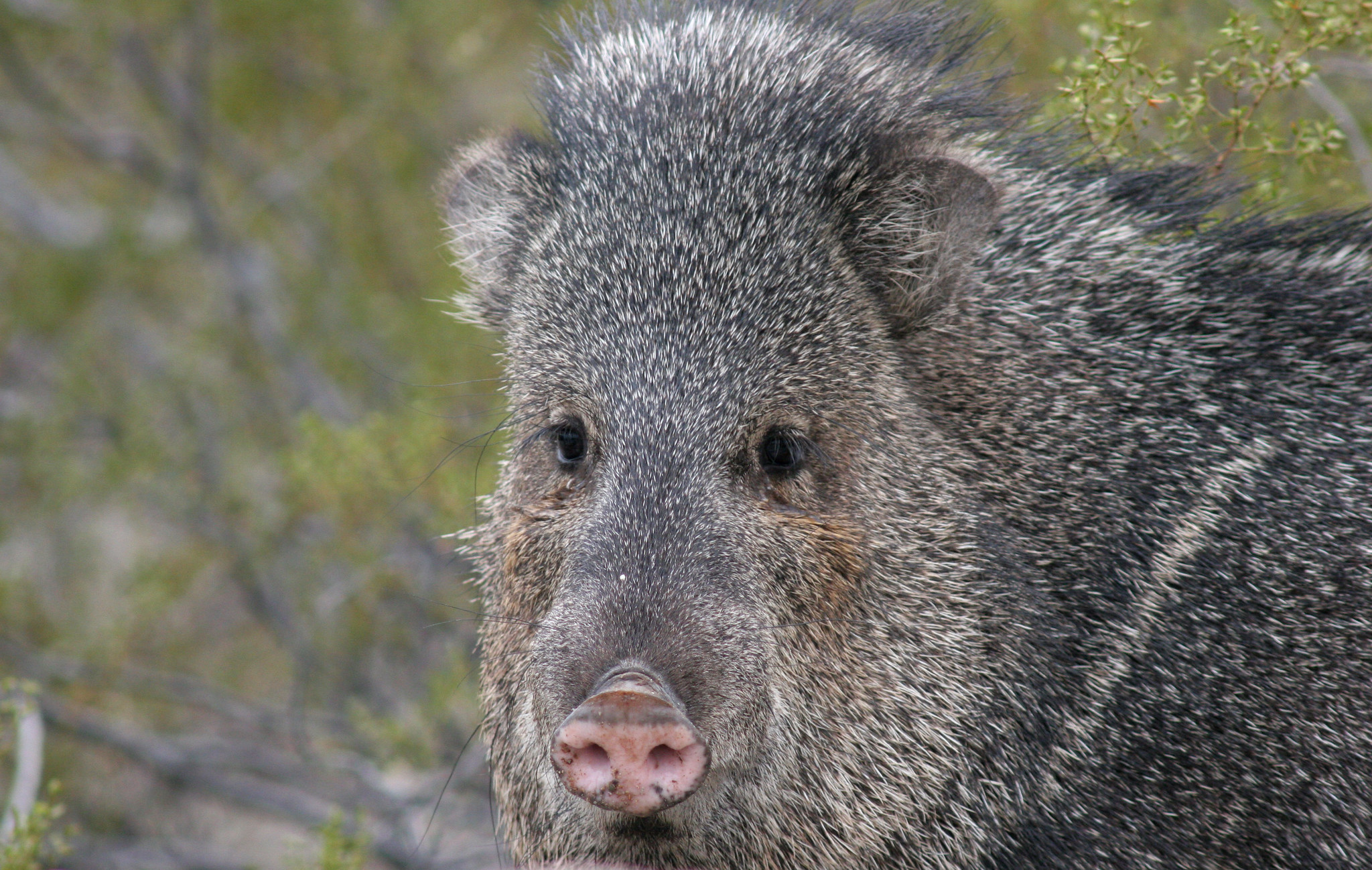
Importantly, ranchers can only participate in Viviendo con Felinos if they agree not to hunt wildlife on their land. This includes jaguars, other types of wild cats (e.g. pumas, bobcats, and ocelots), and jaguar prey species (such as deer and javelina). Over time, this has created a healthy prey base for jaguars and other large predators, which helps to keep the ranchers’ livestock safe.
Not only has Viviendo con Felinos ® made jaguars worth more alive than dead, but it has shifted the culture in and around Sahuaripa. I had a conversation with Wolf, during which he noted that the jaguar has become part of the region’s identity: all of Sahuaripa’s sports teams now use the jaguar as their mascot, and there are jaguar murals painted on prominent buildings in town, including just outside of the ranchers’ meeting hall.
Through Viviendo con Felinos ®, ranchers and vaqueros (cowboys) have also developed deeper understandings of ecology. They have learned, for example, that when jaguars and other predators have more prey, that attacks on livestock decrease.
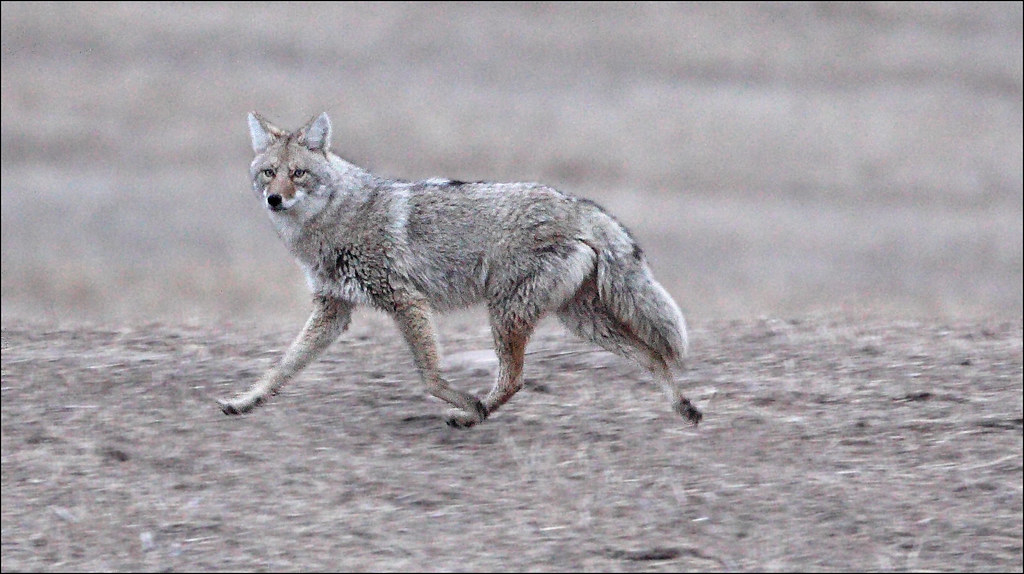
To illustrate this point, Wolf told me a story of a rancher who was having problems with coyote attacks. Instead of killing the coyotes – which would have been the easiest response – he asked NJP, “What is out of balance?” This shows that he realized that a change in the coyotes’ behavior reflected a change in the environment, and he wanted to treat the cause of the problem, rather than just the symptom.
In summary, many of the ranchers near the Northern Jaguar Reserve have learned that it is possible to live with jaguars: in the last few years, there have been zero attacks by jaguars on livestock on Viviendo con Felinos ® ranches. There has also been no poaching of jaguars on those properties.
What is next for Northern Jaguar Project?
After more than 20 years, NJP is still going strong. The Northern Jaguar Reserve has increased to more than 56,000 acres (22,662 hectares), and NJP has been restoring the habitat within the reserve. This will benefit not only jaguars, but all of the native plants and animals that live there.
Viviendo con Felinos ® also is not going anywhere, although NJP is planning to update it. Rather than paying out cash awards for photos of jaguars, they are going to start helping Viviendo con Felinos ® ranchers with long-term investments, such as solar panels. This will improve the working and living conditions on the ranches, since many of them do not have electricity.

Furthermore, Wolf emphasized that NJP will continue to produce high-quality, scientific research: it was ultimately research that created their organization, and Wolf said that NJP will, “Always keep our efforts based on science.”
NJP has, for instance, installed three weather stations on the Northern Jaguar Reserve, and they can sync data from those stations with other patterns that they document in the area. This could allow scientists to see how local wildlife respond to changes in the climate, or even day-to-day weather shifts. They have also published dozens of scientific papers, which you can access on their website.
Another crucial element of NJP’s success, apart from their scientific background, has been their ability to work with the community. This aspect of their mission will continue as well.
Apart from Viviendo con Felinos ®, NJP runs outreach programs for children. Through their Eco-Guardian club, they help kids to learn about wildlife, take care of their local environment, and develop a love of nature. The lessons that these children are learning will benefit not only them, but also the wildlife in the U.S.-Mexico borderlands.
Conclusion
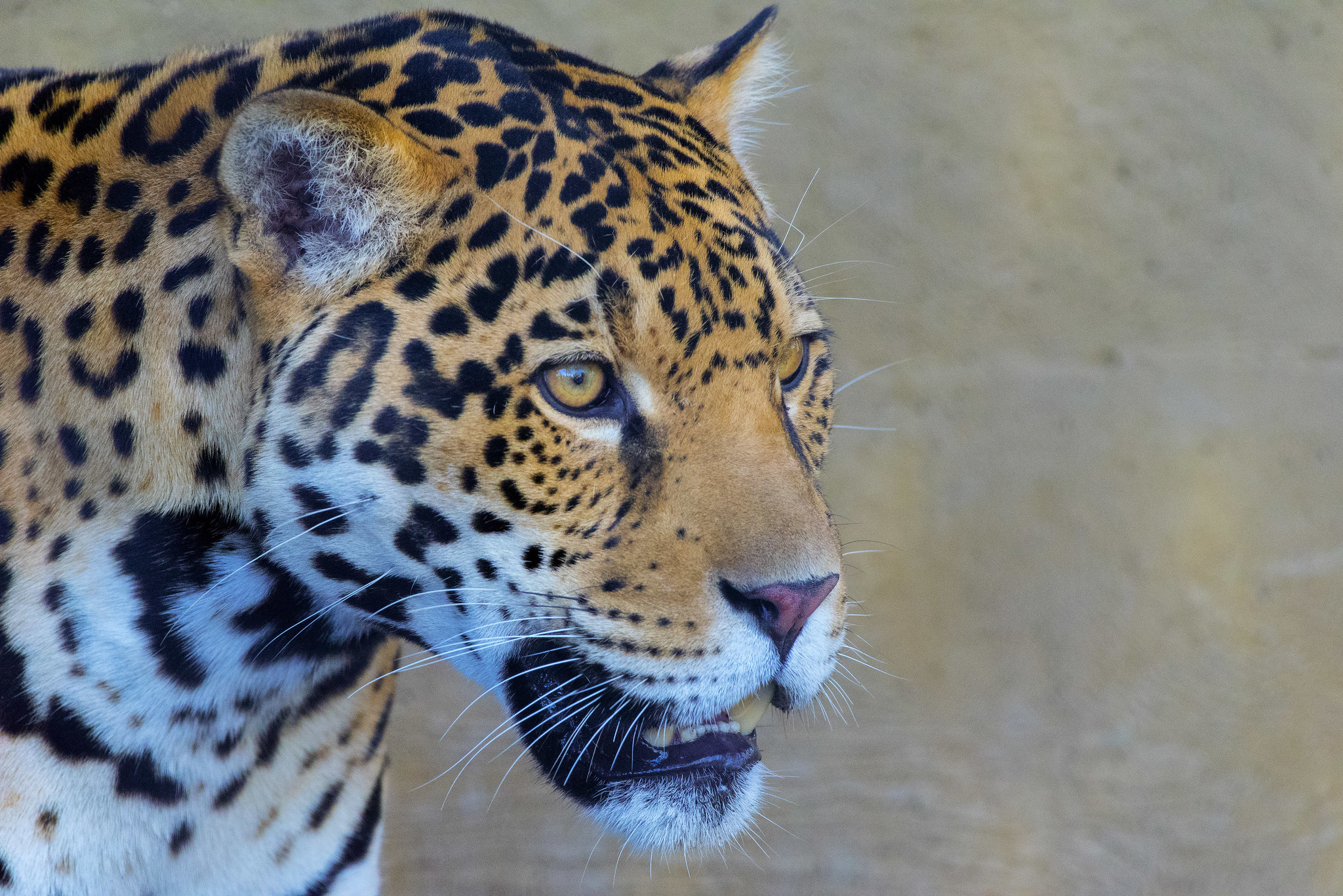
The jaguar is an American animal. Its historic range included parts of Arizona, New Mexico, Texas, and more. In fact, I have found an official document paying out a bounty for a jaguar killed in Natchez, Mississippi. If jaguars are ever to reestablish themselves in the United States, then they need to have safe havens on the Mexican side of the U.S.-Mexico border.
Northern Jaguar Project has been working to accomplish that goal for over 20 years, and they have made remarkable progress. They have established a 56,000 acre reserve for jaguars and other wildlife, and their scientific research has contributed to our understanding of ecosystems in the U.S.-Mexico borderlands.
Just as importantly, Northern Jaguar Project has become a vital part of their community. They have shown ranchers that they can live alongside jaguars, and that when they take care of the environment, that threats to their livestock decrease. Crucially, NJP is also helping the residents of Sahuaripa to take pride in jaguars, and they are giving children opportunities to learn and grow in the outdoors.
We cannot fully predict what is going to happen in the U.S.-Mexico borderlands. Regardless of the political winds, groups like NJP will continue to work for healthy ecosystems along the U.S.-Mexico border. This will benefit the human communities in the region, and give jaguars the best possible chance of returning to their northern range.
Acknowledgements
I would like to give a special thanks to Roberto A. Wolf for speaking with me about jaguars, the U.S.-Mexico borderlands, and Northern Jaguar Project. I would also like to thank Cholla Rose Duir for helping to coordinate our conversation.

 The Jaguar
Hi Josh, thank you for an excellent post!
LikeLiked by 1 person
Hi Charles, you’re welcome!
LikeLike
Thank you Josh. I learned a lot. Save the Jaguars!!!
LikeLiked by 1 person
Hi Cindy, I’m glad that you learned something from this post!
LikeLike