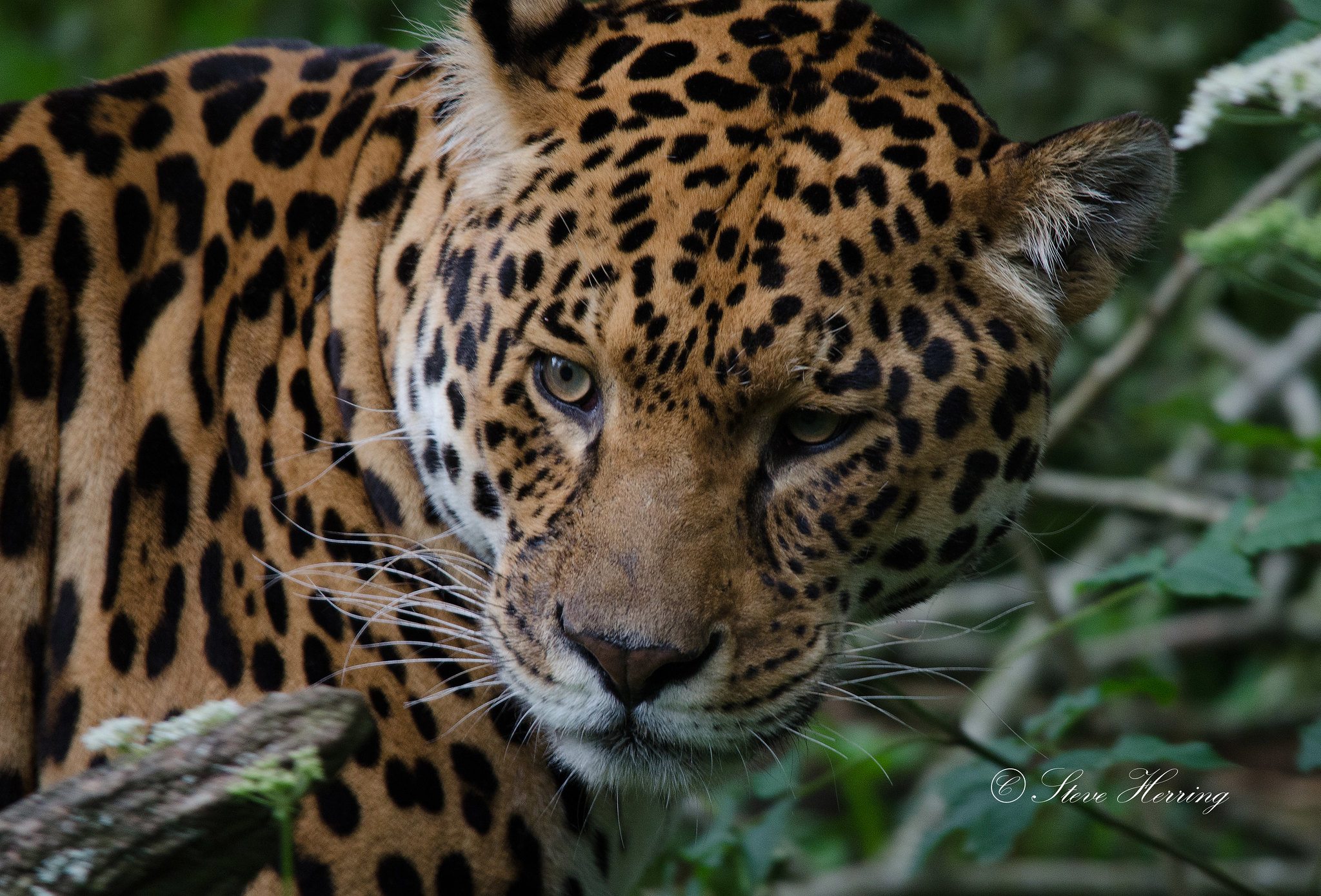
Here’s a fascinating new study published by Margarita Gil-Fernández (2023) and colleagues. It’s about big cats in Costa Rica; or, more specifically, how receiving attention from conservationists following attacks on livestock can affect ranchers’ attitudes towards big cats. The findings from this study have crucial implications for conservation.
Costa Rica is home to several species of wild cats, with jaguars (Panthera onca) and pumas (Puma concolor) being the largest. These charismatic animals inspire people around the globe, and they play key roles in their ecosystems.
Unfortunately, jaguars and pumas also attack livestock. Such incidents are usually rare, but they aren’t great for conservation PR.
Gil-Fernández et al. (2023) sought to determine if the way government agencies, nonprofits, and other conservationists responded to attacks on livestock influenced ranchers’ attitudes towards big cats in Costa Rica. They did this by measuring a number of factors, including:
- Attitudes towards big cats
- Whether or not a rancher had dealt with livestock depredation (attacks)
- If conservationists had responded to said attacks
- If they did respond, did the conservationists offer simple advice or give more in-depth assistance (like workshops)?
After gathering their data, Gil-Fernández et al. (2023) used a type of wizardry called “maths” to turn survey responses into meaningful information.
The scientists learned that the ranchers who had received attention after livestock attacks had more positive attitudes towards big cats than the ranchers who had not. This might seem like an obvious result, but it offers a vital lesson.
Gil-Fernández et al.’s (2023) results show that how conservationists respond to livestock depredation – and maybe other negative events involving big cats – can have meaningful implications for the cats.
As Gil-Fernández et al. (2023) point out, it all comes down to trust. If conservationists take livestock attacks seriously and show that they care about the ranchers, this builds trust, which can generate more favorable attitudes towards big cats.
Conversely, if conservationists do nothing, then it tells the ranchers that they’re not important. Feeling like they’re being ignored is not likely to generate positive attitudes towards big cats among ranchers.
Gil-Fernández et al. (2023) go into more depth in their paper, which I’ve linked to below. Also, what I’ve written here is a rough summary, and details always gets lost in translation. Thus, the original paper will have the best information.
References
Gil-Fernández, M., Peña-Mondragón, J. L., Gómez-Hoyos, D. A., Escobar-Lasso, S., Marchini, S., & Carrilo, E. (2023). Attention matters: A preliminary assessment of ranchers’ attitudes towards big cats in Costa Rica. Trees, Forests and People, 13, 100408. https://doi.org/10.1016/j.tfp.2023.100408.

 The Jaguar