Introduction
This post will be a little different: it’s an interview post – not a Q&A, but an actual interview – with a conservationist and business owner whom I met in real life. It’s also not focused on big cats, but a conservation topic of equal importance: native plants.
Danielle Squire runs Archers of Arcadia, which is a business focused on the propagation and promotion of native plants. She sells native plants; but, as you will learn, this is a new part of her business. Danielle also teaches Sustainable Agriculture at a community college near me, which gives her a chance to introduce ecological principles to people who may not have thought about them before.
I met Danielle at a farm that I was volunteering at. Since Danielle and I saw each other frequently during that time, I decided to interview her in person.
As a result, this post will read more like a script, rather than a traditional Q&A post. However, it still covers vital topics, such as the importance of native plants, how to get students to care about nature, and about Danielle herself.
Interview
Josh: So, you’ve been focusing just on native plants for these past 15 years? But it sounds like you did more before that?
Danielle: Yeah, that’s an interesting question: it all started rather broad. I started first with herbal medicine, because I knew a young child who was always getting hurt, so I found all these great ways to stitch him back together with these miraculous herbs. I then started making gifts for my whole family, and I even had a small business doing topical as well as spiritual healings. Eventually it became cost prohibitive to order the herbs and have them shipped, so I started growing my own, and that’s really when things started cycling, because the more I learned, the more I realized how much I didn’t know.
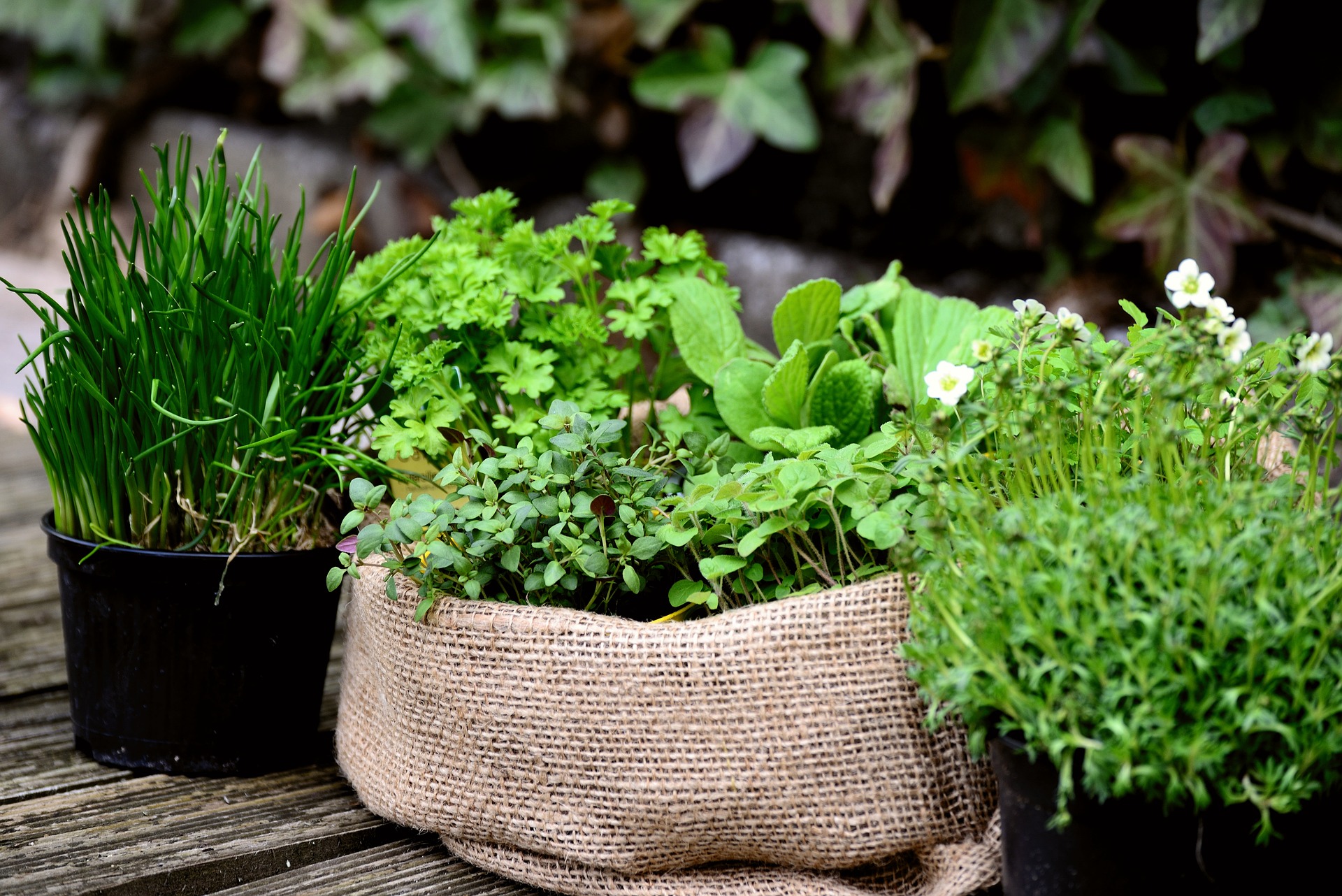
My herbal books didn’t possess the information I needed, so I started looking outside my books for tips on growing [herbs], where this plant came from, and things like that. But I still wasn’t quite getting what I was looking for. So I contacted Ruby Beil from the Sustainable Agriculture department at the college, and I said, “You don’t know me, I don’t know you, but I want in the bubble.” And she said, “Come on in!” So I started my sustainable agriculture studies there.
[In class] we touched on herbs and vegetables, but again, there was that nagging feeling that there was something I didn’t know. I discovered through those courses, as I was getting those credits for my degree, that what I was longing for was ecosystem health.
I then veered off from my agriculture studies and began to study the ecosystem – how everything is so intricately connected – and it took no time at all for me to land on the importance of native plants. So I started cultivating them – I wasn’t selling them, this is my first year selling them – I was propagating them [native plants] because I was trying to get the awareness out about how important they were, and because I was so excited about what I’d learned!
Josh: So, to make sure I understand correctly, it all started with the herbal medicines that you were doing and trying to help this kid who kept beating himself up, and it all sort of wrapped around to a focus on ecosystem health, and then through that you realized the importance of native plants?
Danielle: For many of the problems that I saw in the world: hunger, climate change, severe storms, patterns in wildlife that I’ve noticed between now and when I was a kid, the solutions came down to native plants.
Josh: So then, native plants are crucial to having a healthy planet?
Danielle: Absolutely quintessential.
Josh: That definitely answers my first question. For my second question, I’ve noticed that you’re highly involved in local conservation organizations that focus on more than just native plants, such as the Audubon Society. What drives you to devote so much time to local conservation efforts?
Danielle: Well, I’ve always been a bit of a loner, so it’s good for me to meet other individuals who are compassionate about the same things as me. I know how difficult it is to make change in the world, and I like to support them [conservation organizations] and make them feel like they are accomplishing these seemingly impossible tasks. I honestly believe that it’s nonprofits who bring nurture to the world, more than any other organizations. Even on my website, which I’m currently updating, you get a discount on my plants if you belong to any nonprofit. There’s also some encouragement with the power of a nonprofit.
Josh: Yep.
Danielle: For example, I’m just Danielle, and there’s a lot of things in the world that I wanna do and I wanna change, and I’m doing alright, but when I bring in the Audubon Society, with the weight of that community behind them, that helps push forward the issues that I’m trying to bring to light.
I just can’t think of a better way to spend my time.
Josh: So it sounds like to you, partnering with people who care about the same issues as you is an effective way to create change, or more change than you could create on your own?
Danielle: Yeah, and it took – I had to grow up to realize that. I didn’t have friends growing up, so I felt that if you worked hard enough, you could accomplish the same things [alone] as you could with other people, but I had to mature to realize that there’s strength in numbers: I find my strength, my vitality, through these nonprofits.
Josh: So it’s not just about creating external change, but participating in these nonprofits also creates change within you? It makes you healthier as a person?
Danielle: Oh yea, absolutely.
Josh: I get that. Another question: I noticed through your website that you do more than just sell native plants. For example, it seems that you also put a big emphasis on education?
Danielle: Yeah, I would say that I’ve done more in the way of education than almost anything else.
Josh: What makes these educational programs important to you?
Danielle: I enjoy being excited about things, and I’m able to help others be excited about them, too. Because if you wonder, then you want to know, and if you want to know then you get to learn, and you can’t unlearn what you’ve learned, so then you really have no choice but to be better. I’m able to help individuals who are on the brink of change, or even resistant to change, to see things in a more exciting way.
For example, there are really two crowds that I get to reach out to: the individuals who want to learn, and the [college] students, who don’t normally want to be there.
Josh: What?
Danielle: They don’t normally want to! These are kids going for any kind of degree you can imagine, and they didn’t seek me out because they wanted to, but because they had to – and that’s my favorite population to work with. I get to see them making these neurological and sentimental pathways to the world around them and what they’re seeing, because if I’m really excited about a bug, then either you’re gonna be excited about it too, or you’re going to wonder why I’m excited. And I’m not going to stop being excited anytime soon, we’re going to talk about it [the bug], we’re going to observe it – not with notebooks or anything, but just for fun.

It’s not just bugs either, there’s also a lot with birds: I’ll identify the silhouette of a bird that flies overhead and they [the students] want to know how I know that. Then I’ll talk about how to identify birds and things like that.
So that’s my favorite audience because I feel like I’m able to bring value to their lives, and to help them see the world differently. I’ve been doing this long enough that I get to reconnect with some of my former students, and I’ll hear how it changed their lives.
Josh: Really?
Danielle: I’ll hear how they’ve changed majors, how they’ve changed the ways that they look at the world, and how they’ve changed the conversations that they have with their families. What’s really cool is that I’ve heard how people will continue towards their targeted career choice, but they’ll somehow find a way to weave the world of nature into it.
Josh: Okay, another question: What is one thing that you wish everybody knew about native plants?
Danielle: This probably isn’t the beautiful, bowtie answer that you’re looking for, but after dealing with a lot of different people on the spectrum of “I hate nature” to “I love nature,” I’ve realized that you’ve gotta snag people by who they already are. The only thing I’ve found that people on opposite ends of the spectrum have in common is themselves. So, if you’re gonna snag anybody and get them interested in native plants, you have to help them realize what they mean to them, which is their actual survival.
If I had only one message, only one chance for everyone to listen, it would be how they depend on native plants.

Josh: So this goes back to the value of native plants in maintaining the ecosystems that our society depends on?
If I had only one message, only one chance for everyone to listen, it would be how they depend on native plants.
Danielle: Yep. For my students, when I’m trying to get them to understand what the ecosystem actually does, my favorite thing to do is to have them take the roles of different creatures. I say, “Alright everybody, thanks for coming today, you didn’t know this but this is actually a job interview. You’re all hired, you have to do the work, but it’s not paid and you will work every single day.”
Then I ask, “Anybody want to volunteer to be pollinators?” Everybody wants to be a pollinator, so everyone raises their, and I choose a couple of them. But then I say, “Alright, but it’s gotta be every plant, you cannot miss any of the plants. If you gotta work in the rain, if you gotta work in stormy weather, if you gotta work in the early mornings, late nights – you have a really important job to do.”
And then I move down the line, all the way to the really unpleasant job: “Who’s gonna be the decomposers? All the poop in the world, all the dead animals, none of us wants to walk around in 12 feet of refuse, so we need a really big team. The biggest team, the most important team, is gonna be the cleanup crew.”

It’s basically a little, silly way to help [the students] realize how hard nature is working for us. By the end of this exercise, students realize that they depend on these “jobs” that nature is doing. Humans simply aren’t capable of doing these jobs: regardless of our technological advances, we’re not capable, or willing, to do these jobs. So let’s just let nature do them.
Closing Thoughts
What Danielle described at the end of our interview, the different “jobs” that nature performs to sustain the ecosystems that we rely on, are called functional roles. If we remove too many of the plants and animals that carry out these functional roles, ecosystems can shift in dramatic (and often harmful) ways.
That’s what makes Danielle’s mission to promote native plants so important. Native plants are often at the heart of an ecosystem: they provide food and habitat for native animals, and often perform other crucial services such as reducing soil erosion. Without native plants, none of our ecosystems would be the same.
I’d therefore like to thank Danielle for taking the time to speak with me. Please visit her website to learn more about her and her business, and consider buying some native plants from her!

 The Jaguar
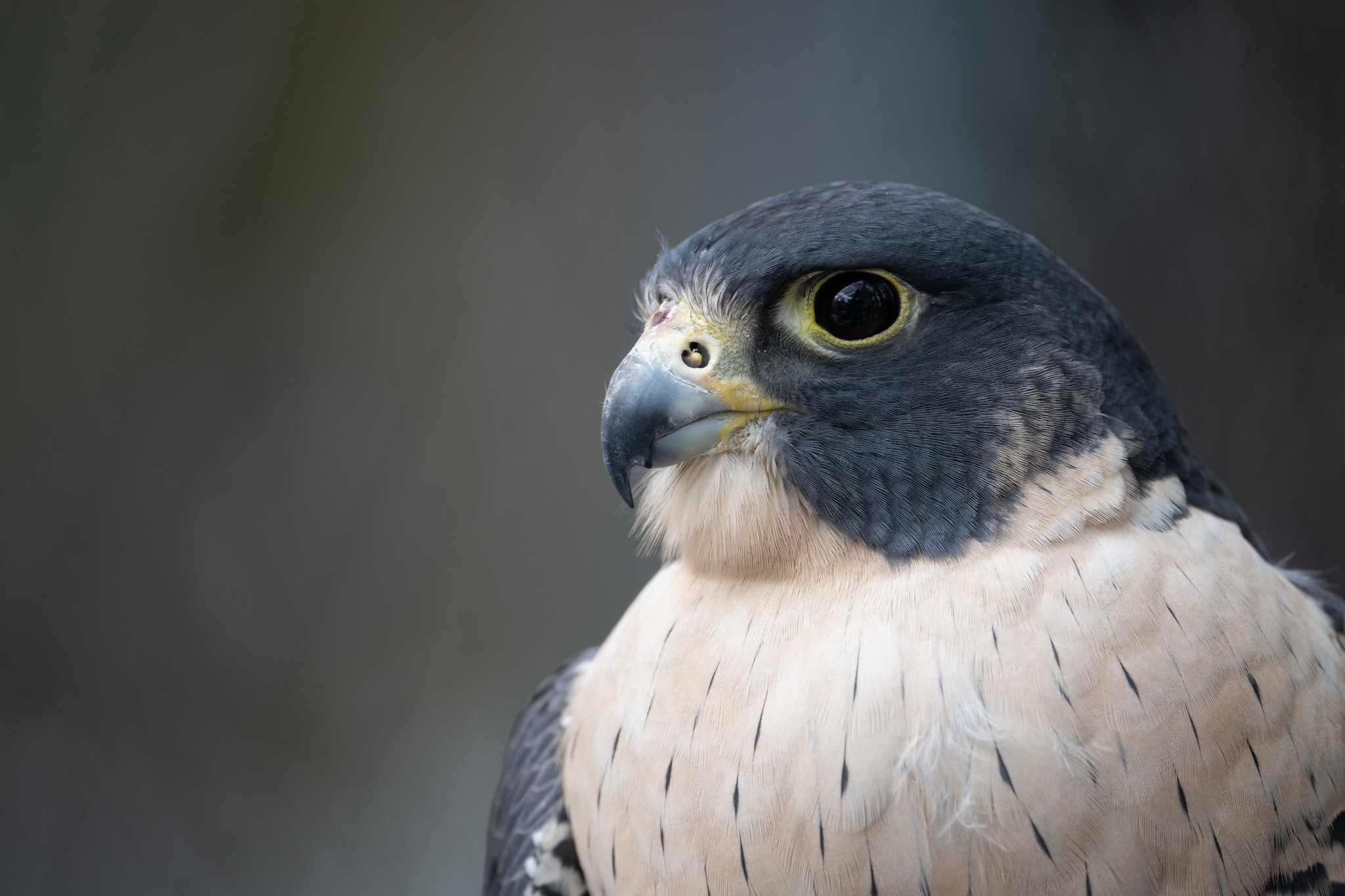
Fascinating interview and such an important topic. Thank you both for your work. Our peregrines love your peregrine (as long as they don’t enter their fly space!)
LikeLiked by 1 person
Thanks Cindy! Peregrines don’t seem like the friendliest birds: I watched one chase a Cooper’s hawk before.
LikeLike
Good interview 👍 well shared 💯
LikeLiked by 1 person
Thank you!
LikeLiked by 1 person
💐
LikeLiked by 1 person
Hi Josh,
I was an entomologist working with sunflower insects for my career and I learned about all the parasites of the pest insects, spiders that ate the pests and the whole ecosystem of a sunflower field. It was interesting and I loved it! Now I am retired and help people take care of their flower gardens. I try to educate them in our garden clubs about native plants and incorporating them in their gardens. I have a certified pollinator garden which has to have lots of various native plants that bloom at various times so the bees always have flowers available for feeding on. Since I have many native plants and they multiply, I donate as many as will sell to our garden clubs plant sales and teach the homeowners about the plants and how the bees need them. I really push my swamp milkweed which doesn’t spread by underground roots, just by the seeds. Many garden members are so happy to report back about how many Monarch butterflies they have seen or raised by having the milkweed!
LikeLiked by 1 person
Hi Theresa, that all sounds amazing! Ecosystems absolutely exist at many different scales: there’s so much happening within one garden, that a garden is its own ecosystem. I imagine that it feels fulfilling to be able to use all the knowledge that you’ve learned over the years to help educate people about and spread native plants.
LikeLike